




Sun spots and freckling
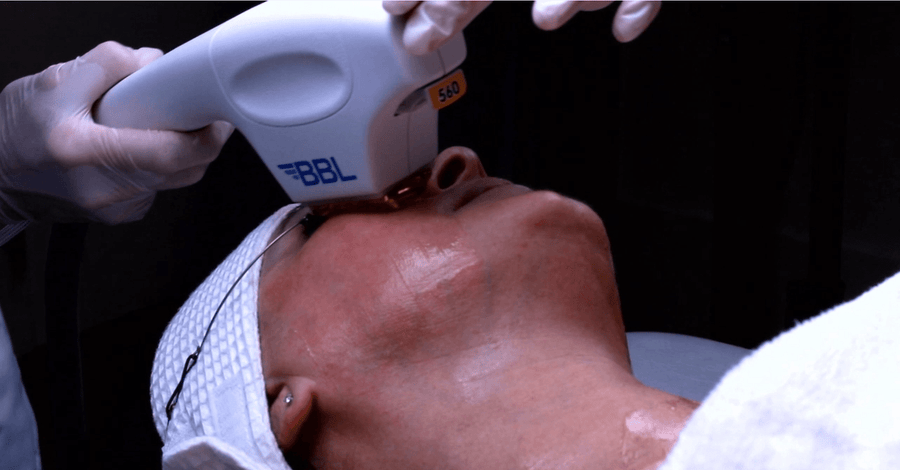
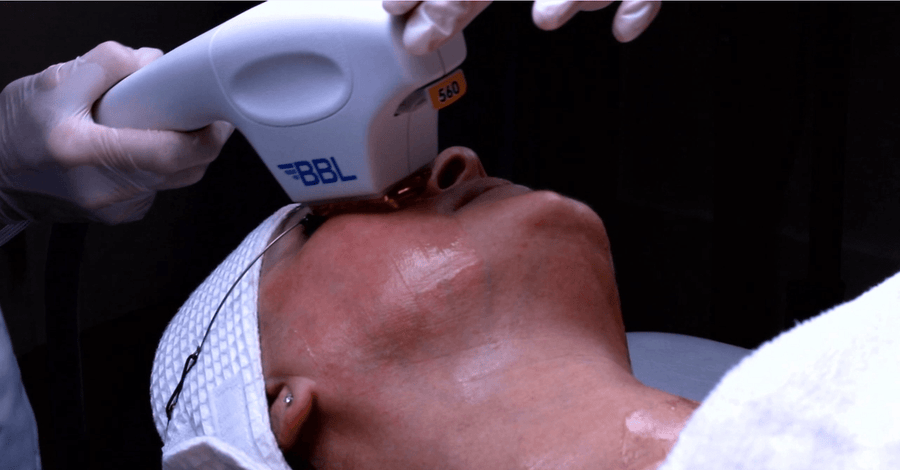
Discrete brown spots on the face, chest and hands from years of sun. The most responsive type; light-based treatments such as BBL® target them directly.
Clearer, more even skin, and a plan to keep it that way.
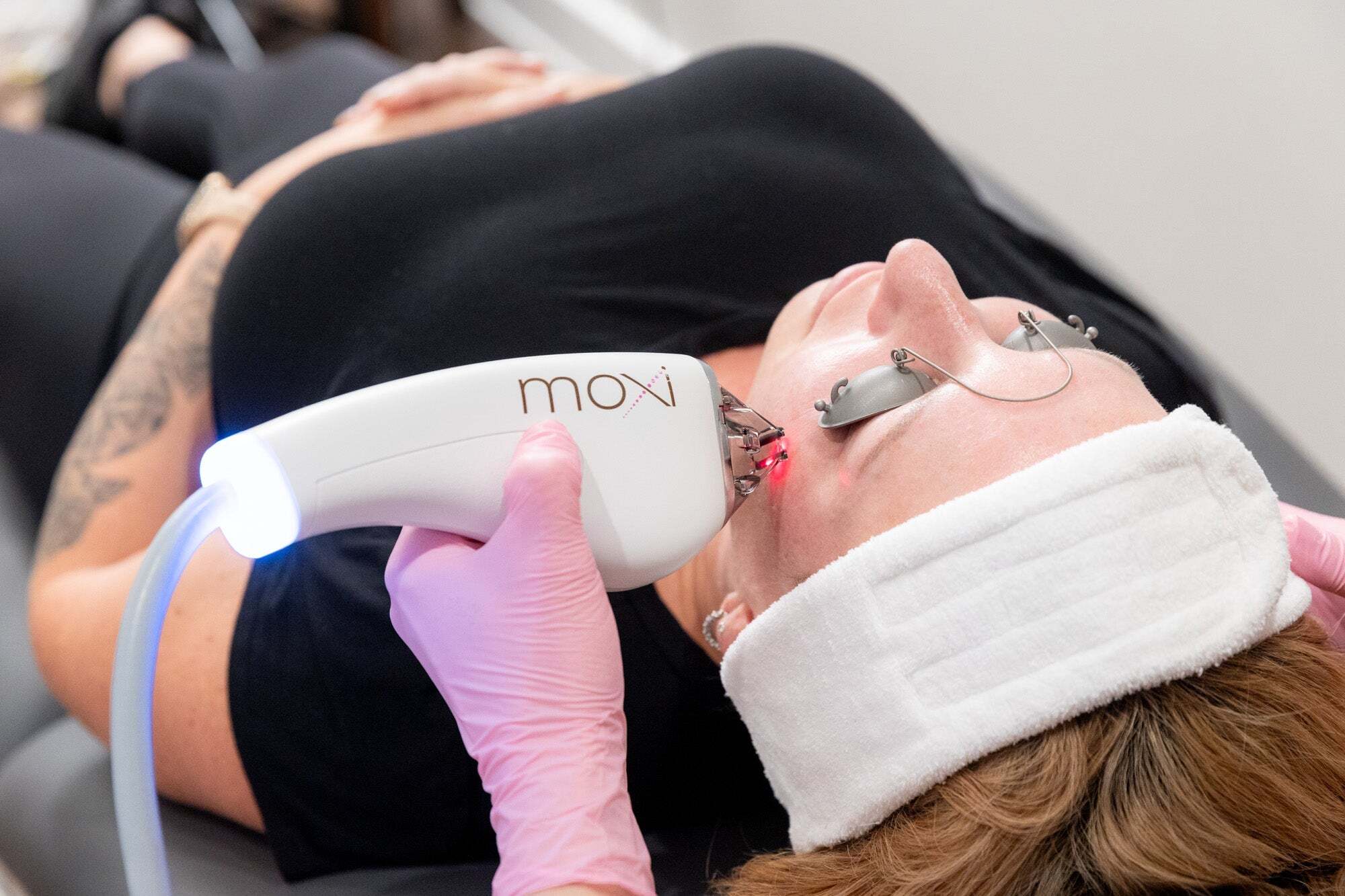
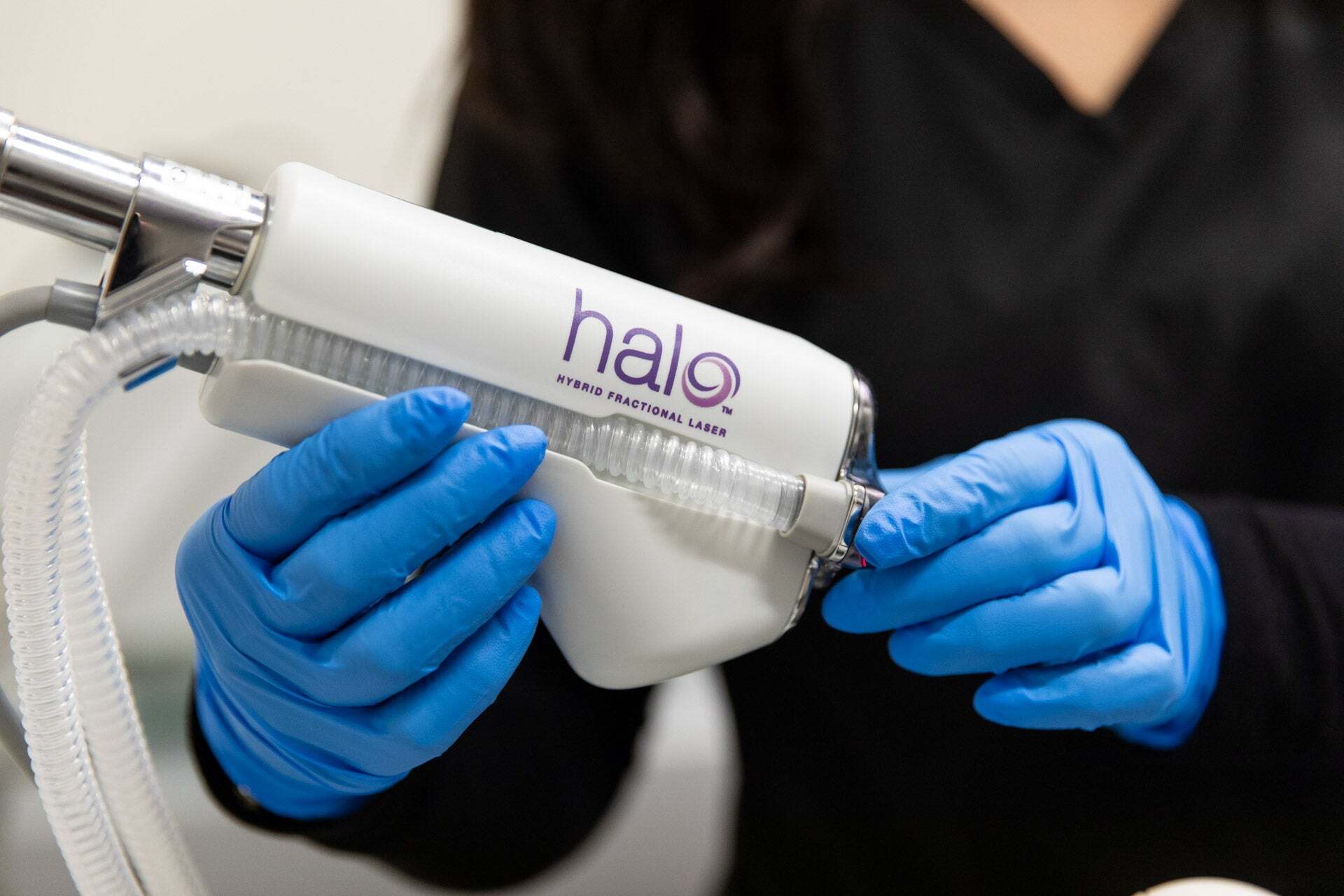
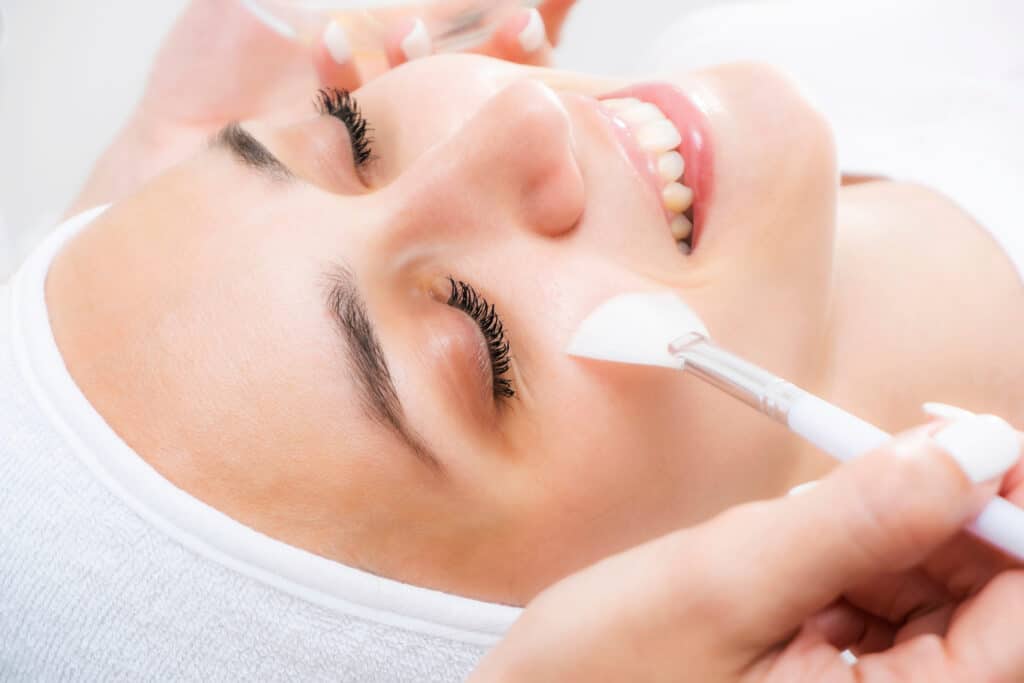
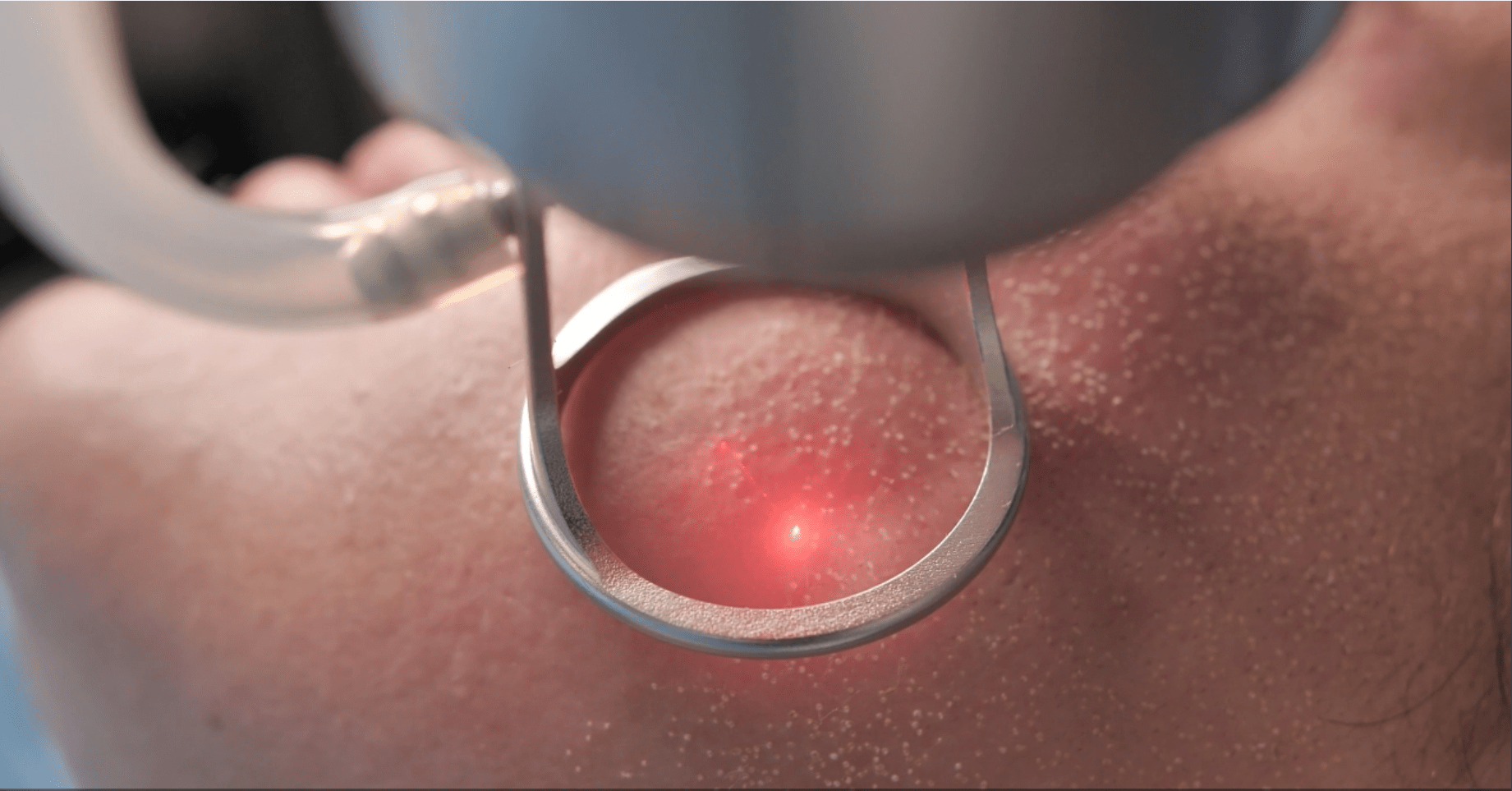
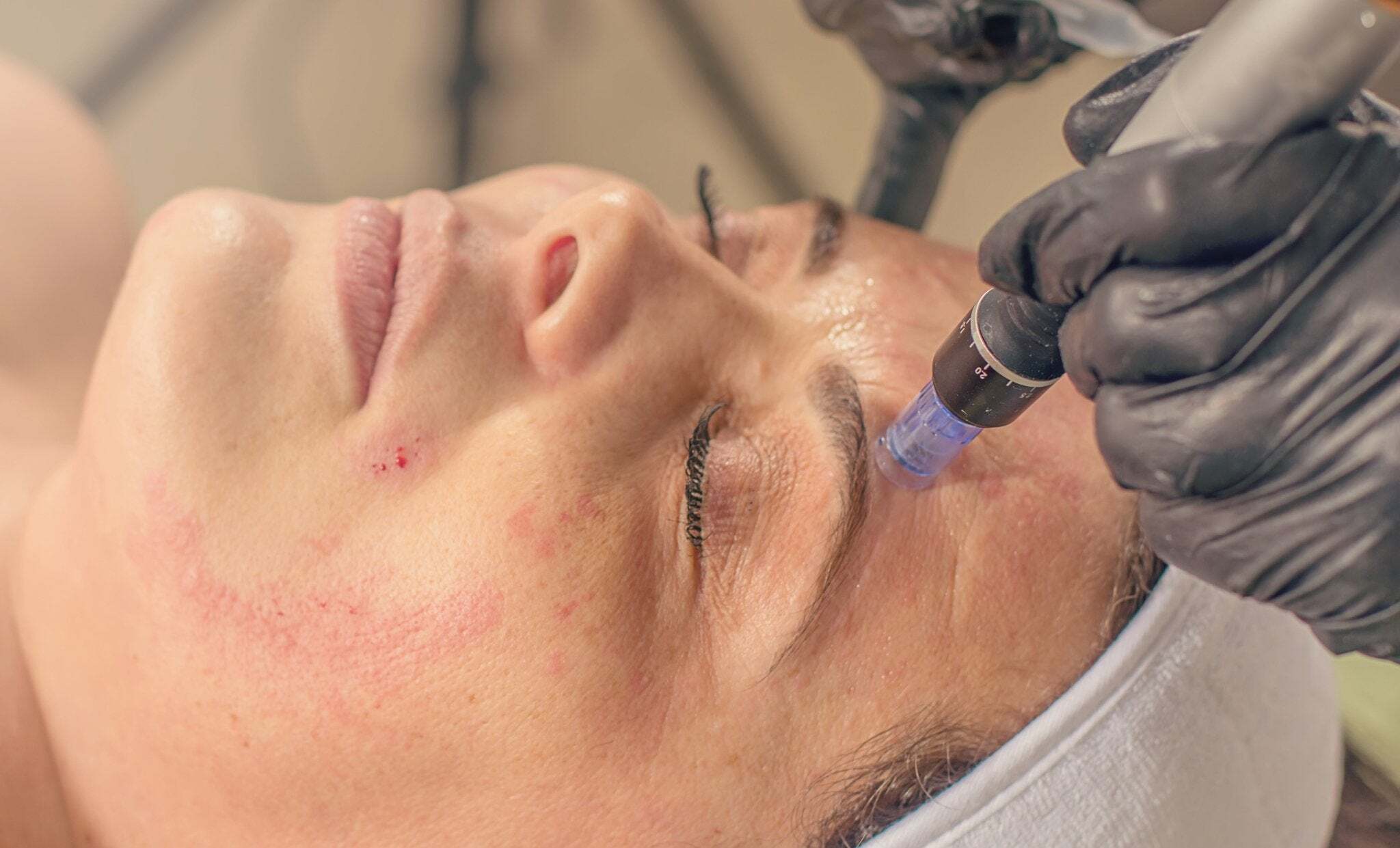
Sun damage and brown spots are treated at Wise Aesthetics in Carmel, Indiana with light and laser treatments that target pigment, chemical peels and facials that lift it from the surface, and daily sun protection to keep it from returning. BBL® (BroadBand Light) is the treatment we use most for discrete brown spots and freckling; Moxi™, Halo™ and peels address broader uneven tone and texture. Most plans are a series of 3 to 5 treatments, and the right one depends on your skin type and the kind of pigment you have, which your provider assesses at consultation. Individual results vary.
Under the medical direction of Dr. Rajiv Sood, board-certified plastic surgeon.
Ultraviolet light does two things to skin. It stimulates the cells that make pigment, so they produce more and in uneven clusters; that is where spots and freckling come from. And it breaks down collagen, which is why sun-damaged skin is also rougher, duller and more lined than skin that was protected. The damage is cumulative: every unprotected hour counts, and most of what shows in your forties and fifties was banked decades earlier.
Not all pigment is the same, and the difference matters for treatment. Sun spots (solar lentigines) are discrete, well-defined and sit near the surface, and they respond well to light and laser treatments. Melasma, the larger, softer-edged patches on the cheeks, forehead and upper lip, is driven by hormones as well as sun, sits deeper, and can be made worse by the wrong laser; it calls for a gentler, longer plan built around peels, sun protection and skin care. Post-inflammatory pigment, the marks left after breakouts or irritation, is a third kind and is addressed on our Acne & Acne Scarring page.
Skin type matters too. Deeper skin tones are more prone to pigment and more sensitive to heat-based treatments, so your provider will choose settings and treatments accordingly.
Under the medical direction of Dr. Rajiv Sood, board-certified plastic surgeon.
The kind of pigment you have decides the treatment.
Discrete brown spots on the face, chest and hands from years of sun. The most responsive type; light-based treatments such as BBL® target them directly.
Diffuse mottling and sallowness rather than defined spots. Addressed by resurfacing treatments and peels that renew the surface layer and even out color.
Larger, soft-edged patches on the cheeks, forehead or upper lip, often linked to pregnancy, hormonal contraception or heat as well as sun. Needs a gentler, longer plan; some lasers can make it worse.
Roughness, enlarged pores and fine lines alongside the pigment. Resurfacing lasers address pigment and texture in one plan.
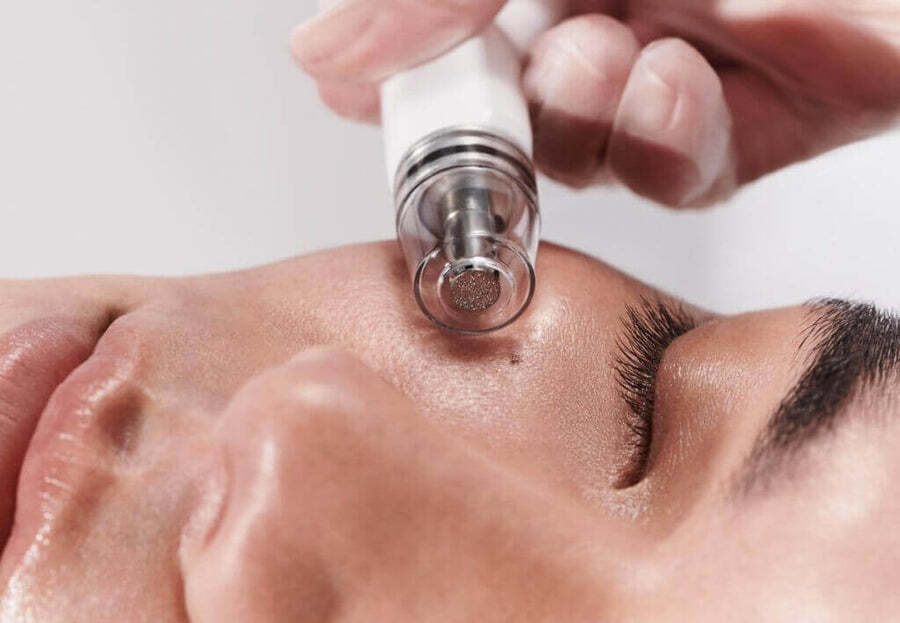
Treatments for sun damage work in one of two ways: by targeting the pigment itself with light, or by renewing the surface of the skin so the pigment is lifted out. Most plans use one of each, plus sun protection.
None of the above lasts without daily broad-spectrum sunscreen. Medical-grade brightening skin care, including a retinoid and a pigment inhibitor where appropriate, extends results and is the backbone of any melasma plan. Essentials and Journey members receive 10% off skin care.
Your provider will:
Timing matters: pigment treatments are best done when you can avoid sun for the following weeks, which makes autumn through spring the usual season for a series.
After BBL®, spots darken over a few days, then flake away over one to two weeks; tone improves with each treatment in the series. Peels show over the week after peeling finishes. Resurfacing lasers improve over the weeks following each treatment. Melasma improves gradually over months and needs ongoing care. Individual results vary.
Most adults with sun spots, freckling or uneven tone are candidates for at least one option above, and skin type decides which. Treatment may not be appropriate, or may need to wait, if you have had recent sun exposure or a tan, are pregnant or breastfeeding, have taken isotretinoin in the past year, have an active skin infection or cold sore in the area, have a history of keloid scarring, or are on medications that increase sun sensitivity. Melasma needs a specific plan and is not suited to every laser. Each treatment page lists its own considerations, and your provider will review your medical history at consultation. This page is general information and is not medical advice.
A spot that is new, growing, changing in color or shape, bleeding, or different from your other spots should be checked by a dermatologist before any cosmetic treatment. We will refer you if we see anything that needs a medical opinion.
For discrete sun spots and freckling, BBL® is usually the first choice because the light is absorbed by the pigment itself. For blotchy tone, resurfacing lasers or peels work better, and melasma needs peels and skin care rather than heat. Your provider decides after seeing your skin, because skin type also matters. Individual results vary.
The treated spots clear, but new ones form with new sun exposure, and melasma in particular tends to return. Daily sunscreen, brightening skin care and a yearly maintenance treatment keep results consistent. Individual results vary.
It depends on the treatment. After BBL®, spots darken and flake for one to two weeks but you can wear makeup and go about your day. Moxi™ brings about 5 to 7 days of light flaking, Halo™ about 3 to 5 days of recovery, and the VI Peel® about a week of peeling. Laser Genesis and facials have no visible recovery.
Yes, with the right plan. Melasma sits deeper and is driven by hormones, so it is managed rather than cleared, with peels, skin care, strict sun protection and sometimes gentle laser treatments; the wrong laser can make it darker. Your provider will tell you if what you have is melasma and set expectations accordingly.
Some treatments are and some are not. Peels, facials, microneedling and Laser Genesis suit all skin types; BBL® and the resurfacing lasers are used selectively on deeper skin tones, with adjusted settings or not at all. Your provider assesses your skin type before recommending anything.
Yes. The chest and the backs of the hands show sun damage early and are treated with BBL®, peels and resurfacing, often alongside the face.
Cost depends on the treatment, the area and the number of treatments in the series. Each treatment page describes what a typical client pays, and your provider will give you a written cost at consultation. Journey membership includes CoolPeel® and microneedling; Essentials and Journey members receive 10% off other treatments and skin care.
More questions? Read our full FAQs, or call or text 317-569-6448.
| Monday | 9am to 5pm |
| Tuesday to Thursday | 9am to 6pm |
| Friday | 9am to 5pm |
| Saturday and Sunday | Closed |
Carmel, Fishers, Westfield, Zionsville and the greater Indianapolis area.
Individual results vary. This page is general information and is not medical advice. Treatment suitability is determined at consultation. Treatments are provided under the medical direction of Dr. Rajiv Sood, board-certified plastic surgeon.